
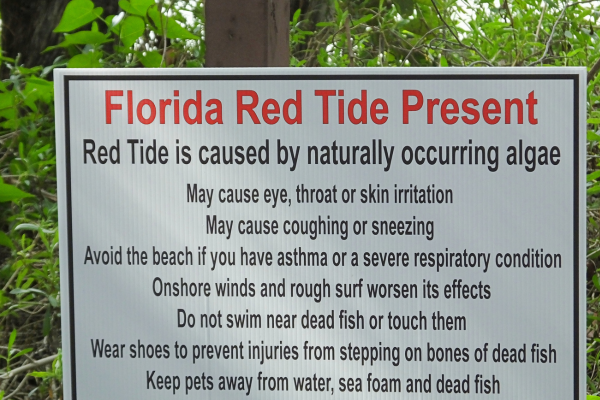
Each year, as Gulf water temperatures begin to climb, coastal communities across Southwest Florida turn their attention to one of the region's most persistent environmental challenges: red tide. For residents along the Manatee County shoreline — and for the tourists and snowbirds who flock to beaches like Anna Maria Island, Coquina Beach, and Cortez — understanding what red tide is, how to monitor it, and how to protect your health during a bloom can mean the difference between a safe beach day and a miserable one.
Florida red tide news has become a near-constant feature of Gulf Coast life, and Manatee County is no exception. This guide covers everything you need to know — from the science behind the blooms to the most reliable sources for real-time local updates.
For the latest breaking environmental news affecting Manatee County, subscribe to The Bradenton Times newsletter for updates delivered directly to your inbox.
What Is Red Tide?
Florida's red tide is caused by Karenia brevis (K. brevis), a naturally occurring microscopic marine algae that lives in the Gulf of Mexico at low, harmless concentrations year-round. The problem begins when environmental conditions allow it to multiply rapidly — forming what scientists call a harmful algal bloom (HAB).
During a bloom, K. brevis produces powerful neurotoxins called brevetoxins that are lethal to fish and harmful to marine mammals, sea turtles, and seabirds. When wave action breaks up the algal cells near shore, those toxins become airborne as sea spray — making them a respiratory hazard for people on or near the beach.
According to the Florida Fish and Wildlife Conservation Commission (FWC), K. brevis is present at background concentrations along Florida's Gulf Coast virtually year-round. Blooms typically initiate 10 to 40 miles offshore before being transported toward shore by winds and currents — which is why conditions can change dramatically within hours.
Despite the name, red tide doesn't always turn the water red. It can range from brownish to rust-colored, and sometimes discoloration is subtle or absent entirely. The only reliable way to assess toxin levels is through water sampling — which is why official monitoring data, not visual observation, should drive your beach decisions.
Why Manatee County Is Particularly Vulnerable
Manatee County's geography makes it directly exposed to Gulf conditions. The county's coastline — spanning from Anna Maria Island south toward Longboat Key — faces open Gulf waters with minimal buffering from offshore structures or islands. When K. brevis blooms develop in the nearshore environment or are pushed in from offshore by prevailing southwest winds, Manatee County beaches can experience impacts quickly and sometimes severely.
The regional record is sobering. The 2017–2019 red tide event — one of the worst in Florida's recorded history — caused catastrophic fish kills along Southwest Florida's Gulf coast, significant marine mammal mortality, and sustained economic damage to coastal tourism and the fishing industry. FWC documented hundreds of tons of dead fish removed from Manatee County beaches alone during peak bloom periods, and respiratory complaints from beachgoers and residents were widespread.
The economic toll is equally significant. Research published by the National Oceanic and Atmospheric Administration (NOAA) estimates that harmful algal blooms cost the United States economy more than $1 billion annually through impacts on fishing, tourism, public health, and monitoring costs. In Florida beach communities, the concentrated tourism economy makes those costs acutely felt.
How Red Tide Affects Manatee County Beaches
When K. brevis concentrations increase near shore, impacts follow a fairly predictable progression — though the severity can vary considerably based on bloom intensity, wind direction, and tidal patterns.
Fish kills are typically the first and most visible sign. Dead fish of all species wash onto beaches, creating strong odors and requiring cleanup crews from Manatee County and state agencies to collect and dispose of the carcasses. Fish kill reports can be submitted directly to FWC's Fish Kill Hotline at 1-800-636-0511.
Respiratory irritation follows when airborne toxin concentrations rise sufficiently. On high-bloom days with onshore winds, even healthy individuals may experience coughing, sneezing, and eye or throat irritation within minutes of arriving at the beach. Sensitive individuals — including those with asthma, COPD, or other chronic respiratory conditions — may experience more significant symptoms and should avoid affected beaches entirely. The Florida Department of Health provides guidance on health effects and advises reporting human health impacts to the Florida Poison Information Center at 1-800-222-1222.
Marine mammal and wildlife impacts can be severe. Florida manatees, dolphins, sea turtles, and seabirds are all documented victims of red tide events. Brevetoxins accumulate in filter feeders like mussels and clams, which are then consumed by larger animals. To report injured or distressed wildlife, contact FWC's Wildlife Alert Hotline at 1-888-404-3922.
Shellfish closures are among the most consequential regulatory responses to red tide. The Florida Department of Agriculture and Consumer Services (FDACS) monitors shellfish harvesting areas and orders closures when brevetoxin concentrations exceed safe limits. Consuming shellfish from closed areas — including oysters, clams, and mussels — can cause Neurotoxic Shellfish Poisoning (NSP), a serious illness characterized by tingling, numbness, nausea, and in severe cases, neurological effects. Always verify shellfish harvesting area status through FDACS before collecting or consuming any shellfish.
Swimming advisories are issued when conditions deteriorate. Brief exposure in mildly affected water is unlikely to harm most healthy individuals, but swimming in areas with visible discoloration, dead fish, or active foam should be avoided. Brevetoxins can cause skin and eye irritation and may be absorbed through cuts or abrasions.
Anna Maria Island and the Barrier Island Communities
For visitors planning a trip to Anna Maria Island — one of Manatee County's most visited destinations and a significant driver of the local tourism economy — red tide conditions deserve close attention before departure.
Anna Maria Island's position on the Gulf creates direct exposure to offshore bloom transport. During active bloom periods, conditions can differ significantly between beaches depending on wind direction, tidal flows, and local currents. The northern end of the island may be clear while the southern end is affected, or vice versa, on the same day. Beach-by-beach assessments from Mote Marine Laboratory's Beach Conditions Reporting System provide some of the most granular, real-time local data available for Southwest Florida beaches and are updated multiple times daily during bloom conditions.
Business owners, vacation rental hosts, and hospitality operators on Anna Maria Island and throughout the Bradenton Beach area are keenly aware that red tide conditions affect bookings. Local tourism organizations coordinate with monitoring agencies to provide real-time updates and manage visitor expectations during bloom events — an important part of protecting the region's tourism-dependent economy.
Understanding the Concentration Scale
Not all red tide conditions are equally hazardous. FWC classifies K. brevis concentrations into five levels that correspond roughly to expected impacts:
Background (fewer than 1,000 cells per liter): K. brevis is present at naturally occurring levels. No significant impacts are expected.
Very Low (1,000–10,000 cells/L): Minor biological effects possible; minimal respiratory irritation for highly sensitive individuals.
Low (10,000–100,000 cells/L): Some fish kills possible; respiratory irritation may occur in sensitive individuals in areas with onshore winds.
Medium (100,000–1,000,000 cells/L): Frequent fish kills; respiratory irritation likely for most beachgoers in affected areas; noticeable discoloration possible.
High (greater than 1,000,000 cells/L): Extensive fish kills; strong respiratory irritation for most individuals; potential shellfish closures; significant discoloration.
Understanding where current Manatee County conditions fall on this scale — rather than relying on visual observation alone — is the most reliable guide to beach decision-making.
What Causes Red Tide to Get Worse — or Better?
Karenia brevis blooms are shaped by a complex interaction of oceanographic and atmospheric conditions. Understanding these drivers helps explain why conditions can change so rapidly.
Nutrient loading plays a significant and increasingly studied role. Agricultural runoff, urban stormwater, and discharges from water management systems carry nitrogen and phosphorus into coastal waters — nutrients that can fuel algal growth. Discharges from Lake Okeechobee through the Caloosahatchee River system have been identified as a contributing factor to bloom intensification in Southwest Florida, though the precise relationship between freshwater nutrient inputs and offshore K. brevis dynamics remains an active area of research at institutions including Mote Marine Laboratory & Aquarium in Sarasota — one of the world's leading centers for red tide research.
Wind and current patterns determine where blooms travel after they form offshore. Southwest winds push blooms toward Manatee County beaches; shifts to northerly or offshore winds can disperse nearshore concentrations quickly. This is why forecasts, not historical reports, are the most actionable tool for day-to-day planning.
Water temperature and stability influence bloom development. Warm, stratified water columns with calm sea states allow K. brevis to concentrate near the surface, while storm-driven mixing can disperse blooms — though storm surge can also carry accumulated toxins and dead marine life onto beaches in large quantities.
Bloom duration is notoriously difficult to predict. Moderate blooms may resolve within weeks; severe blooms can persist for months. The 2018 bloom that devastated Southwest Florida's coastline persisted for over a year in some areas.
Where to Check Current Conditions: The Authoritative Sources
Staying informed starts with knowing which sources provide accurate, timely data. For Manatee County and Bradenton red tide conditions, these are the most reliable monitoring tools available:
FWC Red Tide Current Status — The Florida Fish and Wildlife Conservation Commission publishes weekly statewide reports and updates the daily sample map at 5:00 PM each day. This is the primary official source for K. brevis concentration data, with interactive maps showing sampling locations and levels across the Gulf Coast.
NOAA Gulf Coast HAB Forecast — The National Centers for Coastal Ocean Science provides short-term forecasts of bloom movement and respiratory irritation potential at specific beach locations, updated regularly.
Mote Marine Laboratory Beach Conditions Reporting System — Beach-specific conditions updated multiple times daily for Southwest Florida beaches, including information on respiratory irritation, water appearance, and dead marine life presence.
USF College of Marine Science Red Tide Tracking — The University of South Florida's ocean circulation models produce 3.5-day forecasts of bloom movement and are integrated with FWC's monitoring data.
Manatee County Government — The county posts beach condition advisories and coordinates cleanup responses during bloom events.
Florida Department of Health — Human health advisories and guidance on symptoms, exposure thresholds, and when to seek medical attention.
The Bradenton Times covers local environmental conditions and red tide impacts as part of our ongoing local news coverage. Follow our coverage for community-level reporting on how bloom events are affecting Manatee County beaches, businesses, and wildlife.
Health Risks: Who Is Most at Risk?
For healthy adults with no respiratory conditions: Brief exposure in areas with low to medium bloom concentrations is unlikely to cause serious harm, but respiratory irritation — coughing, sneezing, runny nose, stinging eyes — is common and unpleasant. If symptoms develop, moving away from the beach typically provides relief within an hour.
For individuals with asthma, COPD, or other respiratory conditions: Red tide exposure can trigger significant bronchospasm and breathing difficulty. The American Lung Association advises that individuals with respiratory conditions should avoid beaches during medium to high bloom conditions and consult their physician about carrying rescue inhalers during beach season.
For children and older adults: Both groups may be more sensitive to airborne brevetoxin exposure. Extra caution is warranted, and shorter beach visits are advisable when any bloom is reported in the immediate area.
For seafood consumers: Never consume shellfish collected from areas under a FDACS closure. Commercially harvested shellfish sold in restaurants and markets is tested for safety and is generally not affected by closures. The risk is specifically from personally collected shellfish.
For pets: Dogs and other pets are susceptible to brevetoxin exposure through skin contact, ingestion of affected water, or eating dead fish on the beach. Rinse pets thoroughly with fresh water after beach visits and contact your veterinarian if your pet shows neurological symptoms after a beach outing.
Safety Tips During Bloom Events
The Florida Department of Health and FWC recommend the following precautions during active bloom periods:
Before you go: Check current conditions at myfwc.com/research/redtide and visitbeaches.org for real-time beach-specific data. Check FDACS shellfish closure maps before any foraging activity.
At the beach: Leave if you experience coughing, throat irritation, or eye discomfort. Avoid swimming near visible blooms, dead fish, or foam. Don't handle dead marine life. Keep children and pets away from fish kill areas.
After the beach: Rinse thoroughly with fresh water to remove potential toxin residue from skin and hair. Rinse eyes with clean water if irritated. Shower before eating.
If you experience symptoms: Mild respiratory irritation typically resolves after leaving the beach environment. For persistent or serious symptoms, contact the Florida Poison Information Center at 1-800-222-1222 or seek medical attention. Report human health effects to the Florida Department of Health.
The Economic Impact on Manatee County
The consequences of red tide extend well beyond beach closures. For a county whose economy depends heavily on coastal tourism, fishing, and waterfront recreation, sustained bloom events represent a significant economic threat.
Hotel and vacation rental occupancy rates fall sharply during severe bloom events. Restaurant and retail revenues on Anna Maria Island and in the Bradenton Beach corridor decline as visitors cancel or shorten trips. Charter fishing operations, which depend on healthy fish populations and appealing water conditions, can lose an entire season's income during prolonged blooms.
Commercial fishing faces its own set of impacts — both from direct fish mortality and from shellfish harvest closures that can eliminate revenue for weeks or months at a time. The Florida Sea Grant program has documented the cumulative economic vulnerability of Gulf Coast fishing communities to repeated harmful algal bloom events.
Locally, the Manatee County Economic Development office and tourism organizations work closely with state monitoring agencies to communicate accurate conditions and minimize the economic disruption from bloom-related misinformation — both from overstated alarm and from premature all-clear reports that bring visitors to conditions they weren't prepared for.
What's Being Done About Red Tide
Red tide is a natural phenomenon, but its frequency, intensity, and duration appear to be influenced by human activities — particularly nutrient pollution from agricultural and urban runoff. Addressing those inputs is a long-term challenge that spans local, state, and federal jurisdictions.
At the research level, Mote Marine Laboratory is investigating possible mitigation technologies including clay flocculation — a method that causes K. brevis cells to clump and sink — and ozone treatment of shallow water bodies. These technologies remain in development and face significant scaling challenges for open-water applications.
FWC's Center for Red Tide Research coordinates an interdisciplinary network of government agencies, universities, and citizen scientists to improve bloom detection, tracking, and response. Citizens can participate directly through the Community Scientists Monitoring for Red Tide (CSMRT) program, which trains volunteers to collect water samples and expand the monitoring network beyond what state resources alone can cover.
At the policy level, reducing nutrient runoff into Gulf Coast waterways — including better management of Lake Okeechobee discharges, tighter agricultural best management practices, and improved urban stormwater treatment — remains the most viable long-term strategy for reducing bloom frequency and intensity.
Staying Informed in Manatee County
Red tide conditions along Manatee County's coastline are dynamic and can shift significantly within a single day. The most important habits for residents and visitors during bloom season are simple: check official monitoring data before heading to the beach, know the symptoms of exposure, and follow posted advisories.
Key resources for current Manatee County and Bradenton red tide conditions:
For local reporting on how red tide and other environmental issues are affecting Manatee County communities, businesses, and wildlife, The Bradenton Times provides ongoing coverage as part of our commitment to independent local journalism. Sign up for our free newsletter to receive updates directly.


Comments
No comments on this item
Only paid subscribers can comment
Please log in to comment by clicking here.