
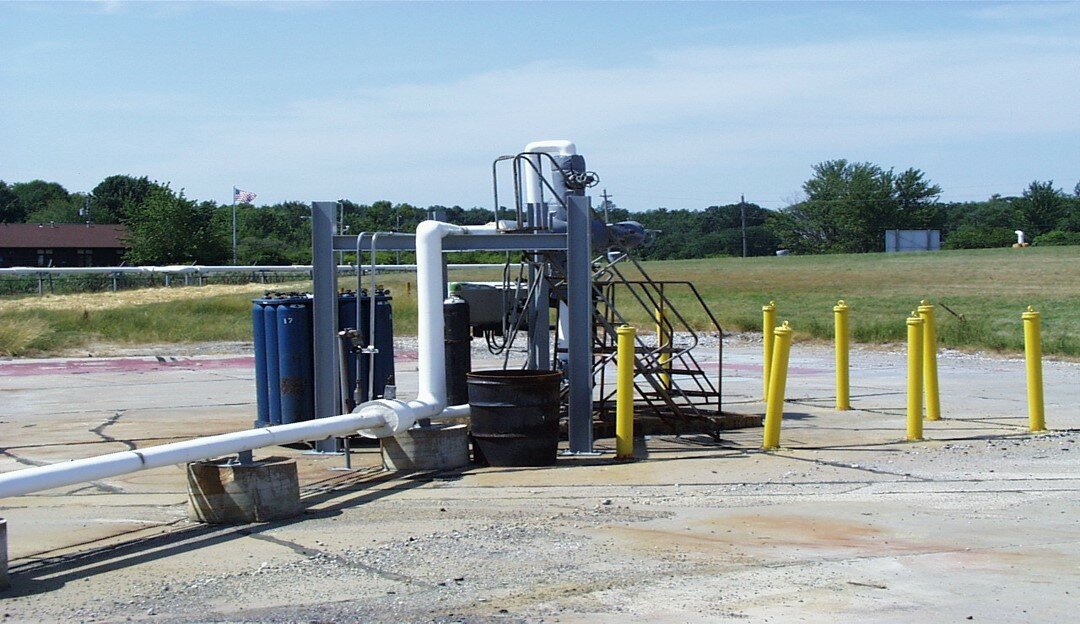
Another underground injection control well is being proposed to dispose of phosphate waste water. ManaSota-88 continues to oppose the construction of any deep injection well for getting rid of phosphate wastewater.
Groundwater pollution detection is an inexact science. It is easy to miss a toxic plume. Our knowledge of the health risks of long-term exposure to toxic & radioactive substances in phosphate wastewater is very limited.
The facts are that contaminated groundwater may be untreatable, with the resource lost forever. Additionally, our knowledge of the health risks of long-term exposure to low levels of toxic substances is very limited.
There are many problems associated with UIC. All wells are subject to failure, and there are too many unknowns to inject treated or partially treated effluent. The operation of a deep well relies very heavily on predictions and good faith.
Deep well injection is done because liquid wastes that cannot be discharged into surface waters are injected into deep wells. Thus, the worst wastes end up in these wells, and existing DEP regulations are inadequate. There is inadequate knowledge of how to adequately monitor this well. If a failure occurs, very little can be done to correct it. If an aquifer is contaminated, it's too late.
Confining layers don't confine, and effluents will ultimately migrate beyond the point of injection. Monitoring programs are highly ineffective. Little is known of the chemistry and the biology of well-injected wastes, except that those wastes move underground.
Over the long term, treating wastes to advanced wastewater standards is cheaper rather than trying to dump secondarily treated wastes out of sight and finding later that serious pollution problems have occurred.
ManaSota-88 questions whether Mosaic has provided reasonable assurances that the cumulative impacts of the proposed UIC, including applicable past, present, and foreseeable cumulative impacts, will not cause violations of any state or federal standard or whether Mosaic has provided reasonable assurances that the draft permit, if issued, is not open-ended, thus allowing for continued discharges of acutely or chronically toxic discharges.
Unless phosphate mining is stopped, the future prognosis for our surface and groundwater will be severely impacted by mining activities.
Glenn Compton is the Chairman of ManaSota 88, a non-profit organization that has spent over 30 years fighting to protect the environment of Manatee and Sarasota counties.


2 comments on this item
Only paid subscribers can comment
Please log in to comment by clicking here.
Mateo
No details and no links! I assume Glenn is talking about this:
https://www.fox13news.com/news/mosaic-inc-exploring-underground-wastewater-well-raising-concerns-amongst-environmental-group
https://www.tampabay.com/news/environment/2025/02/18/mosaic-phosphate-wastewater-drilling-hillsborough-tampa-bay-florida/
Sunday, March 2, 2025 Report this
serenowens
This will eventually contaminate the aquifers. Out of sight = out of mind.
Monday, March 10, 2025 Report this